


That feeling of being stuck? We’ve all been there. You’re scrolling through endless online advice, trying to piece together a strategy, but nothing seems to translate into real-world results. This is where a mentor isn’t just a nice-to-have; they’re a game-changer for anyone serious about rapid growth.
Think of them as your personal roadmap, helping you sidestep the common mistakes and zoom in on what actually moves the needle.
Why Mentorship Is Your Career Accelerator
Ever hit a wall with your progress? It feels like you’re drowning in a sea of conflicting information online, and you just can’t figure out the next right move. You’re not alone. The path from beginner to pro is littered with wrong turns and dead ends.
This is exactly why a mentor is so valuable. Imagine you’re on a tough expedition. A mentor is the seasoned guide who’s already walked the path, knows where the traps are hidden, and can point you to the fastest route to the top.
Instead of burning years on trial and error, they give you a shortcut. They help you nail down the critical 20% of skills that deliver 80% of the results, saving you a massive amount of time and energy. This kind of focused guidance is a huge advantage, especially in a fast-paced field like affiliate marketing.
Building Your Foundation for Success
A good mentor does way more than just dump information on you. They give you a structured framework to build your skills on a solid foundation. This usually looks something like this:
- Faster Skill Development: You get direct, honest feedback on your work, which helps you fine-tune your strategies and avoid locking in bad habits.
- Real-World Industry Insights: Mentors provide context you just can’t get from an article or a YouTube video. They explain why certain tactics work while others completely flop.
- A Powerful Professional Network: They can make introductions to trusted people and open doors that might otherwise take you years to unlock on your own.
- Serious Accountability: Let’s be real—having an expert who’s invested in your success gives you the push you need to stick with it and hit those big, scary goals.
A mentor doesn’t just give you the answers; they help you ask the right questions. Their perspective is the lens that brings your own potential into sharp focus, preventing costly career missteps before they happen.
Ultimately, mentorship is about leveraging someone else’s hard-won experience to fast-track your own. It turns the learning process from a lonely grind into a collaborative partnership. In fact, it’s often highlighted as one of the most inspiring lifelong learning examples because it fuels the continuous growth needed to really get ahead.
You can find structured, long-term guidance on platforms like MentorCruise or tap into project-based expertise on sites like Fiverr. This guide will walk you through how to use mentorship to get tangible results.
The Tangible ROI of a Great Mentor
Let’s get real. Investing in a mentor isn’t just about warm, fuzzy feelings of support. It’s about getting a hard return on your time and money. While the guidance is great, what really counts are the measurable results.
So, let’s break down the tangible ROI a mentor actually delivers, focusing on four key areas that genuinely move the needle.
A Shortcut to Expertise
Trying to master a new skill, especially something like affiliate marketing, comes with a massive learning curve. It’s way too easy to get lost in a jungle of YouTube tutorials, burning hundreds of hours on tactics that lead nowhere. A good mentor is your shortcut.
They help you zero in on the 20% of activities that drive 80% of the results.
They’ve already made the mistakes, so you don’t have to. They know which strategies are dead, which tools are a waste of money, and what foundational skills you absolutely need to succeed. That kind of insider knowledge saves you the one thing you can never get back: time.
As you can see, mentorship is a direct line to developing valuable skills, growing your network, and just plain getting ahead faster.
Avoiding Costly Career Missteps
Starting out in a new field can feel like walking through a minefield blindfolded. One wrong step—like picking an unprofitable niche, dumping money into the wrong software, or accidentally breaking a platform’s rules—can set you back months. Or worse, force you to start from scratch.
A mentor acts as your spotter, pointing out the traps before you fall into them.
Their experience is a priceless safety net. They can look at your strategy, give honest feedback on your content, and offer the perspective that keeps you from making those big, foundational errors. These little course corrections are incredibly valuable, especially when you have a specific income goal in mind. For those aiming high, you can learn more about what it takes in our guide on how much is 6 figures.
Unlocking a Curated Professional Network
Building a network from zero is a slow, painful grind. It can take years to build real relationships with the right people in your industry. A great mentor, on the other hand, gives you a backstage pass to their curated network of trusted contacts.
A personal introduction from a mentor is a powerful endorsement. It lets you skip the “cold outreach” line and puts you right in front of potential partners or collaborators who would have otherwise been impossible to reach.
This isn’t just about shaking more hands. It’s about getting access to a pre-vetted circle of pros who can open doors, share game-changing insights, and help you grow your business faster than you ever could alone.
Gaining an Unbiased Accountability Partner
One of the toughest parts of working for yourself is the total lack of accountability. When you’re the only one setting deadlines, it’s easy to let things slide. A mentor provides a powerful psychological edge by being an expert who is genuinely invested in seeing you win.
Just knowing you have a call scheduled to report on your progress creates the positive pressure needed to stay on track. They’ll challenge you, push you to aim higher, and hold your feet to the fire on the commitments you make.
This dynamic has a proven, direct impact on business results. In fact, a striking 55% of businesses report that mentoring has a positive impact on their profits.
It’s not just businesses, either. Employees with mentors are five times more likely to get promoted than those flying solo. The data is clear: having an experienced guide is one of the most powerful drivers of success. This accountability is often the missing piece that turns big plans into actual achievements.
To see just how different the journey can be, let’s compare the two paths side-by-side.
DIY Learning vs Guided Mentorship: A Comparative Analysis
This table breaks down the typical experience of learning on your own versus working with a mentor, highlighting the key differences in everything from speed to financial outcome.
| Aspect | DIY (Do-It-Yourself) Approach | Mentored Approach |
|---|---|---|
| Learning Curve | Steep and often inefficient; relies on trial and error. | Flattened curve; follows a proven, structured path. |
| Time Investment | High. Hundreds of hours spent on research and fixing mistakes. | Low. Focuses only on high-impact activities, saving time. |
| Financial Cost | “Free” in theory, but high hidden costs from mistakes and wasted ad spend. | Upfront investment with a clear focus on generating positive ROI. |
| Mistake Avoidance | Learning happens after making costly errors. | Mistakes are identified and corrected before they happen. |
| Networking | Slow and difficult; connections are built one at a time. | Instant access to a curated, high-value professional network. |
| Accountability | Relies solely on self-discipline, which can be inconsistent. | External accountability from an expert keeps you on track. |
| Speed to Results | Slow and unpredictable; progress often stalls. | Accelerated; clear milestones lead to faster achievements. |
| Overall ROI | Uncertain. Many quit before seeing a return. | High. Aims for a measurable return on the initial investment. |
Ultimately, the DIY approach can feel like trying to find your way through a forest without a map, while a mentored approach is like having an experienced guide leading you directly to your destination. The choice depends on how much you value your time and how quickly you want to reach your goals.
How to Find the Right Mentor for You
Knowing why you need a mentor is the easy part. Actually finding the right one can feel like looking for a needle in a haystack. But if you know where to look and what to look for, you can connect with an expert who will genuinely fast-track your growth.
You’ve basically got two paths. The first is informal mentorship, which usually just happens organically as you build your network. The second, and often much more direct route for beginners, is through formal mentorship programs on dedicated platforms.
Where to Look for Vetted Mentors
When you’re just starting out, a formal platform is almost always the best bet. These services vet their mentors, so you know you’re connecting with a real expert who is serious about helping people succeed. It cuts out a ton of the guesswork.
For affiliate marketers, tech folks, and creators, there are a few places that really stand out.
- Dedicated Mentorship Platforms: Sites like MentorCruise and others exist for one reason: to connect mentors and mentees for structured, long-term relationships. You get profiles, reviews, and a clear framework for how you’ll work together.
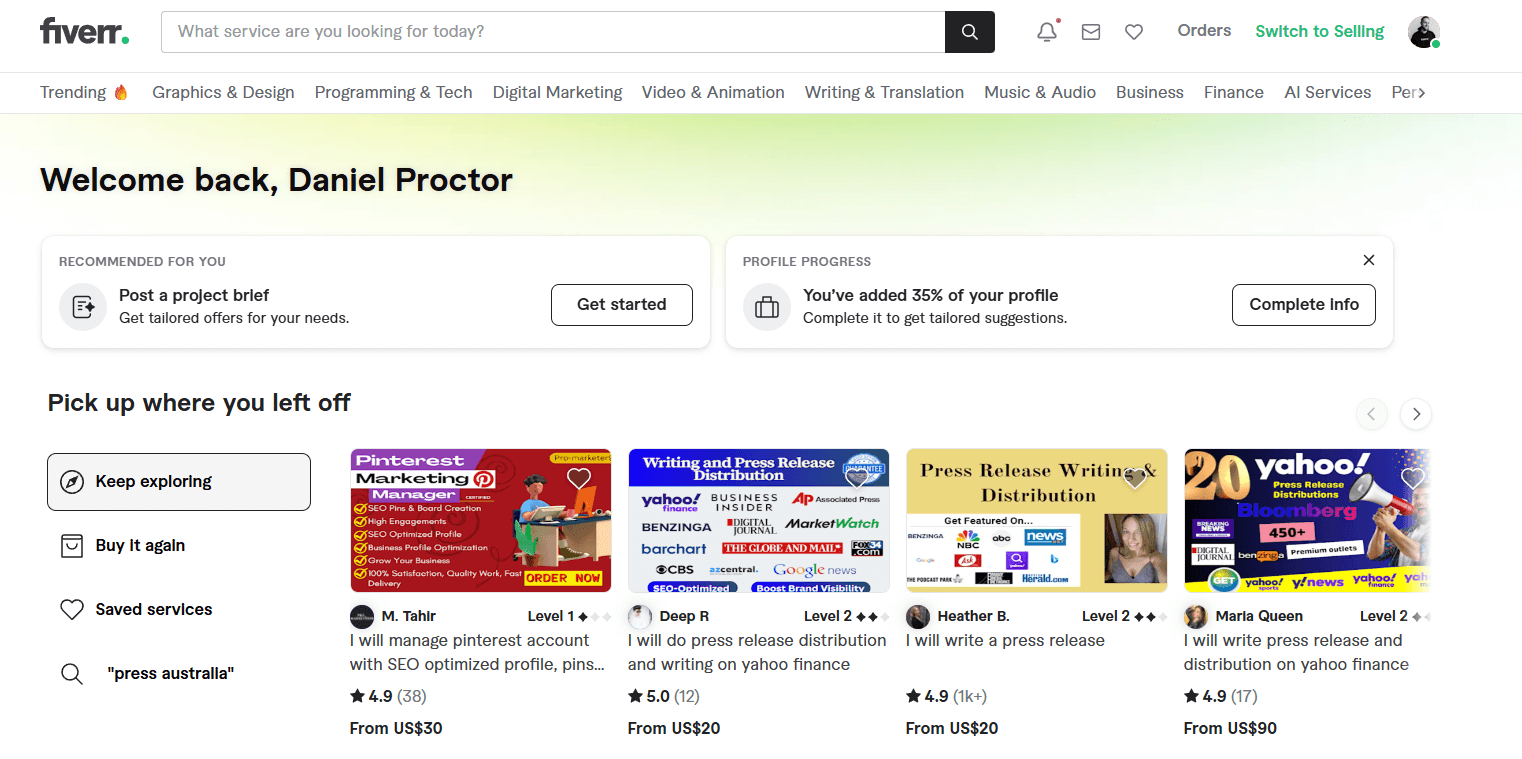
- Freelance Marketplaces: While it’s not their main purpose, platforms like Fiverr are fantastic for finding experts for short-term, project-specific help. If you’re stuck on a technical problem or just need a quick strategy session, this is a great place to look.
- Professional Communities: Niche forums, private Slack channels, or focused LinkedIn groups can be goldmines. You can often find respected pros who are active in the community and might be open to an informal chat.
This structured approach makes sure you’re investing your time and money wisely, connecting with someone who has the right skills and a proven history of success.
Long-Term Guidance with MentorCruise
If you’re looking for a deep, ongoing partnership, MentorCruise is a top-tier platform. It’s built for structured, long-term relationships where a mentor guides you over several months, helping you set goals, build skills, and navigate the twists and turns of your career.
This is perfect if you’re building an affiliate business from the ground up and need consistent accountability and strategic advice. You’re not just buying an hour of someone’s time; you’re investing in a real partnership.
The MentorCruise homepage gives you a good feel for the experts available across different fields, from software engineering to marketing.

As you can see, the platform’s whole focus is connecting you with seasoned pros who have already walked the path you’re on. That’s the real value of mentorship, right there.
Project-Based Expertise on Fiverr
On the flip side, sometimes you don’t need a long-term guide. You just have a very specific problem that needs solving right now. This is where a platform like Fiverr really shines.
You can hire a seasoned SEO expert for a one-hour consult to review your niche site, or bring in a content strategist to help you map out your blog posts for the next quarter.
This approach is incredibly cost-effective for targeted problem-solving. It gives you access to top-tier talent for a specific task without locking you into a long-term program. Think of it like having an expert on call for when you inevitably hit a roadblock.
Your Checklist for Evaluating a Mentor
Okay, so you’ve found a few potential candidates. How do you actually choose the right one? Vetting a mentor is crucial. Use this quick checklist to size up your options and make a smart call.
- Relevant Industry Experience: Do they have recent, proven success in the specific area you need help with? For an affiliate marketer, this means finding someone who has actually built and scaled a profitable site, not just someone who talks a good game.
- A Proven Track Record: Look for testimonials, case studies, or a portfolio of their own work. A great mentor should have clear evidence of their own success and, ideally, the success of people they’ve already helped.
- Communication Style: Does their style click with how you learn? Some mentors are very direct and data-driven, while others are more about motivation. Watch their videos or read their blog to get a feel for their personality.
- Clear Expectations: A pro will be upfront about what they offer, how they work, and what they expect from you. If the promises sound vague, that’s a red flag.
Choosing a mentor is like hiring a key team member. Their expertise should directly fill your biggest knowledge gaps. Take the time to find the right fit, as this decision will have a major impact on your progress.
For example, if you’re struggling to find a profitable area to focus on, you need a mentor with deep experience in market research. You can get more guidance on this critical first step by reading our detailed article on how to find your niche. A good mentor can then provide personalized feedback on the niches you’re considering.
Ultimately, the best mentor is someone whose skills and experience directly map to your most immediate goals. By using these platforms and evaluation criteria, you can stop wondering if you need a mentor and start actually benefiting from one.
What a Modern Mentorship Really Looks Like
If you want to understand why a mentor is so crucial, you first need a realistic picture of what a modern mentorship actually is. It’s a long way from being a magic bullet or a 24/7 help desk that fixes every problem you have.
Think of it more like a professional partnership. It’s built on clear goals, mutual respect, and a shared focus on your growth.
The old-school idea of a mentor as some wise, distant guru is completely outdated. Today, it’s an active, collaborative process where you, the mentee, are firmly in the driver’s seat. Your success hinges on showing up prepared, asking smart questions, and—most importantly—taking consistent action on the advice you get. That’s what turns good guidance into real results.
A solid mentorship has a clear structure. It’s not just a bunch of random chats. It’s a focused effort designed to get you from point A to point B as efficiently as possible.
The Anatomy of a Productive Partnership
A successful mentorship is built on a simple but powerful framework. It kicks off by setting a clear direction and keeps the momentum going with consistent communication and accountability. Without this structure, even the best advice can fall flat, leaving both you and your mentor feeling frustrated.
Here’s what that structure usually involves:
- Initial Goal-Setting Session: The very first meeting is all about getting on the same page. You’ll work with your mentor to define specific, measurable, achievable, relevant, and time-bound (SMART) goals for the next 3-6 months. This makes sure you’re both aiming for the same target.
- A Consistent Check-In Schedule: Most mentorships run on a regular schedule, like weekly or bi-weekly video calls. This consistency builds in accountability and gives you a dedicated time to review your progress, bust through roadblocks, and plan your next moves.
- Modern Communication Tools: In between scheduled calls, you’ll probably use tools like Slack, Voxer, or email for quick questions and updates. This keeps the lines of communication open without blurring the boundaries of a professional relationship.
A great mentor doesn’t carry you to the finish line; they hand you a map and a compass, then walk alongside you to make sure you stay on course. Your job is to do the walking.
This structured approach makes sure every interaction has a purpose and moves you closer to your goals.
Debunking Common Mentorship Myths
To really get the most out of the experience, you have to let go of any misconceptions. Believing these common myths can lead to mismatched expectations and a partnership that just doesn’t work. Let’s get clear on what a mentor is not.
A mentor is not your employee. They are a guide, not a consultant you hire to do the work for you. Their role is to give you strategy and feedback, not build your website or write your content. That said, a modern coach might use technology to work smarter; for instance, you could even explore how to build a chatbot for your coaching business to handle routine questions, freeing them up for high-level strategy with you.
They are not your personal therapist. While a good mentor provides encouragement and helps you build confidence, their focus is squarely on your professional and business goals.
And finally, they are not a miracle worker. A mentor gives you the playbook, but you’re the one who has to run the plays. Your results are a direct reflection of the effort you put in. Understanding these boundaries is the key to a healthy, productive, and successful mentorship that truly speeds up your journey.
Real-World Examples of Mentorship Success
It’s one thing to talk about the benefits of having a mentor, but it’s another to see what that actually looks like. Theory is great, but real-world results are what bring the idea to life. After all, the right advice at the right time can completely change your direction.
These stories aren’t about finding a magic button for overnight success. They’re about what happens when you combine expert guidance, clear action steps, and someone holding you accountable. Let’s dig into a couple of examples.
From Stagnation to Scale
Meet Alex, a digital marketer who was completely stuck. He was putting in the hours on his affiliate website, but his earnings were flatlining at less than $100 a month. He was deep in the rabbit hole of information overload, trying every shiny new tactic he came across and getting nowhere.
Frustrated, Alex decided to invest in a mentor through a platform like MentorCruise. Here’s what his mentor told him that actually moved the needle:
- Niche Down, Hard: The first thing his mentor noticed was that his niche was way too broad. Instead of just “outdoor gear,” they zeroed in on “ultralight backpacking equipment for long-distance hikers.” This sub-niche had a much more passionate, ready-to-buy audience and way less competition.
- A Simple SEO Plan: Alex was given a straightforward, repeatable SEO framework. He stopped chasing dozens of random keywords and instead focused all his energy on creating killer content for just five high-intent, low-difficulty keywords.
- A Content System That Works: The mentor showed Alex a simple system for outlining, writing, and optimizing his articles. This meant he could consistently pump out high-quality content without burning himself out.
By just following this focused game plan, Alex saw his monthly income jump from under $100 to over $1,000 in just six months. The mentor didn’t give him a secret formula; they gave him a proven playbook and helped him cut through the noise that was holding him back. I’ve had similar moments in my own journey, which I talk more about in my personal story.
Solving a Specific Roadblock
Now, let’s look at Jenna, a freelance designer. She was talented, but a specific technical problem in her workflow was stopping her from landing bigger, higher-paying projects. She didn’t need a long-term guide; she just had one very specific issue that was costing her money.
She hopped on a marketplace like Fiverr and booked a one-hour call with a seasoned design expert.
In that single session, the expert spotted the flaw in her process and showed her a much more efficient technique. This one small piece of advice immediately improved the quality of her work.
With this new skill in her back pocket, Jenna was able to confidently raise her rates and start bidding on the kind of premium projects she used to have to pass on. It was a tiny investment that paid for itself almost instantly, showing that mentorship can be just as powerful for fixing a single problem as it is for long-term growth.
This isn’t just true for individuals. Companies see it too. Employee retention is way higher in businesses that have mentoring programs. The data shows retention rates are 72% for mentees and 69% for mentors, while companies without these programs see retention of only 49%. Think about that—it’s a massive 20+ percentage point difference that gives them a serious competitive advantage.
Your Action Plan to Find a Mentor This Week
Knowing you need a mentor is one thing. Actually finding one is what separates the dreamers from the earners. It’s time to stop thinking and start doing.
Let’s be clear: asking for help isn’t a weakness. It’s the smartest shortcut you can take. It’s what top performers do to get ahead, and it’s exactly what you’re going to do now.

This isn’t about busywork. This is your game plan for finding the right person to help you make real progress, starting this week.
Your Four-Step Checklist
Follow these steps, and you’ll go from just wanting a mentor to actually having one. This is a focused mission to connect you with an expert who can genuinely cut your learning curve in half.
- Define Your Top 3 Goals: Get brutally honest with yourself. What do you really want to accomplish in the next six months? Hit your first $1,000 month? Finally figure out SEO? Grow your email list? Vague goals get vague results. Specific goals attract specific mentors.
- Identify Your Knowledge Gaps: Where are you stuck? Be real about it. Pinpoint the exact skills or strategies you’re missing. This isn’t about feeling bad; it’s about finding clarity so you can find a mentor with the exact experience to fill those gaps.
- Research Mentors on Key Platforms: Now that you know what you need, head back to platforms like MentorCruise for ongoing coaching or even Fiverr for one-off, project-based advice. You’re not just browsing anymore. You’re on a targeted mission to find your expert.
- Craft Your Outreach Message: Take what we talked about earlier and write a short, compelling message. State your goals, show you’ve actually looked into their work, and explain exactly why you think they’re the right person to help. Simple. Respectful. Effective.
This is exactly what a high-quality mentor wants to see. It screams that you’re serious, organized, and ready to do the work. They don’t have time for tire-kickers.
And this isn’t just a hunch. The demand for solid mentorship is exploding. Millennials are set to make up 75% of the workforce, and a massive 79% of them say mentorship is crucial to their success.
Even better, 68% of people with a mentor plan to stick with their company for over five years, compared to just 32% of those without one. Mentorship works. You can dig into more stats on mentorship trends over at Pushfar.com.
Following these four steps is the single best investment you can make in yourself right now. Don’t wait.
Frequently Asked Questions About Mentorship
Diving into mentorship always brings up a few questions. That’s totally normal. Getting straight answers is the best way to figure out if it’s the right move for you. Here are the most common things people ask when they’re ready to get serious about their growth.
How Much Does a Mentor Cost
The cost for a mentor is all over the place, but it’s better to think of it as an investment, not just another bill to pay. The real question isn’t the price—it’s what you get back from it.
On platforms like MentorCruise, you can find ongoing mentorship from $150 to over $500 a month. It really depends on who you’re working with and how much access you get. If you just need a one-off session to get unstuck, you can find experts on Fiverr for a single call, sometimes as low as $50 to $100 for an hour.
But here’s the thing: you have to measure that cost against the value. If a mentor’s advice saves you from a $1,000 mistake or helps you start earning real money six months sooner, the ROI becomes a no-brainer. A good mentor pays for themselves, simple as that.
What Is the Difference Between a Mentor and a Coach
People throw these terms around like they’re the same thing, but they play very different roles. Knowing the difference helps you find the right person for what you need right now.
A mentor gives you advice based on what they’ve personally done. A coach helps you find your own answers by asking the right questions.
Let’s break it down:
- A mentor is someone who’s already walked the path you’re on. They’ll tell you, “I’ve been there. Here’s what worked, and watch out for this trap over here.” Their advice is direct because it comes from real-world experience.
- A coach is more of a facilitator. They’re focused on your mindset, your habits, and how you make decisions. They might not know the first thing about affiliate marketing, but they’re experts in getting you to perform at your best.
Honestly, for someone just starting in affiliate marketing, a mentor with a proven track record is usually more valuable. They can give you a specific playbook to follow. A coach might be more helpful down the road when you need to break through a mental block or just get more productive.
How Do I Know if the Mentorship Is Working
A good mentorship should be about more than just having nice chats. You need to see real, tangible results. Feeling like you’re “making progress” isn’t good enough—you need proof.
Look for these concrete signs that the partnership is actually delivering:
- You’re Hitting Your Goals: Are you actually achieving the milestones you talked about in your first few sessions? Your traffic, income, or skill set should be heading in the right direction.
- You Feel More Confident: You start making decisions without second-guessing everything. Challenges that used to feel huge now seem manageable.
- You Have a Clearer Path Forward: That “what’s next?” feeling isn’t so scary anymore. You have a roadmap and know exactly what steps to take.
If you can honestly say yes to these, then your investment is paying off.
Ready to stop guessing and start building a profitable affiliate business with a proven roadmap? At Daniel Proctor, I provide the 1-on-1 mentorship, tools, and step-by-step training to help you achieve your income goals faster.
